222 Senator Gil Puyat Ave.
Ma. Cornelia Building
Makati City, Philippines
qualityoflife@halcyon.health
(+63) 917 105 1312

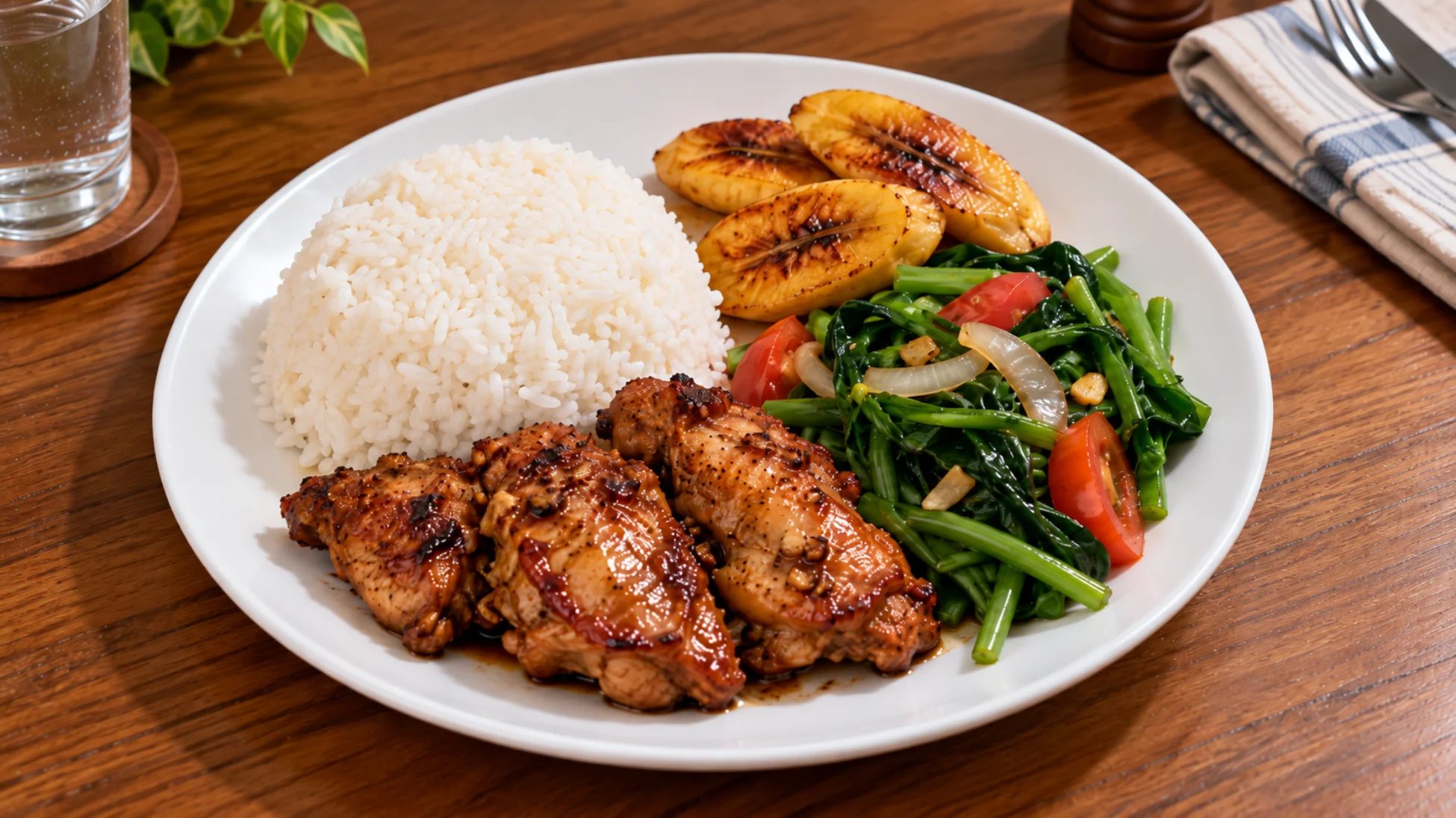
You’ve probably tried to eat better at least once. Maybe you cut out rice, filled yourself up on salads, and promised yourself this time would be different. Then two weeks later, you’re back to your old routines, feeling like you failed.
Here’s the thing: The problem usually isn’t you. A lot of what we believe about healthy eating is either outdated, oversimplified, or just plain wrong. And when your habits are built on shaky beliefs, they’re bound to crumble.
Let’s clear up five common myths that quietly sabotage your progress, and look at what actually helps healthy habits stick.
Few foods get blamed as much as carbohydrates. Rice, bread, pasta, and potatoes are often the first things people cut when they want to eat healthier. For many Filipinos, that means giving up rice, which is a staple at nearly every meal.
The truth is that carbs are one of your body’s main sources of energy. According to the Harvard T.H. Chan School of Public Health, the quality of carbohydrates matters more than simply avoiding them. Cutting them out completely can leave you feeling tired and craving the very foods you’re trying to avoid. That’s not a recipe for a habit you can keep.
Whole grains, brown or mixed rice, root crops like kamote, fruits, and legumes offer fiber and nutrients that keep you full longer. Even Pinggang Pinoy, the Filipino food plate guide developed by the Food and Nutrition Research Institute (FNRI-DOST), includes rice and other energy-giving food alongside generous servings of vegetables and protein. Instead of removing rice entirely, try adjusting your portion and filling the rest of your plate with vegetables and protein.
When people picture healthy food, they often imagine imported berries, specialty flours, and pricey protein bars. No wonder so many assume eating well is out of reach.
But some of the most nutritious foods are also the most affordable. According to the FNRI-DOST’s Philippine Food Composition Tables, local vegetables like malunggay, kangkong, and pechay are rich sources of vitamins and minerals, and they’re easy to find at the palengke. Eggs, tofu, monggo, and canned sardines are budget-friendly protein sources. Bananas and seasonal fruits cost far less than imported options.
A few habits can stretch your budget even further: Plan your meals for the week, buy what’s in season, and cook at home more often than you order out. Eating healthy doesn’t require a special grocery list. It just requires being intentional with the one you already have.
The idea of “clean eating” sounds harmless, but it can create an “all-or-nothing” mindset. If one slice of cake or a fastfood meal makes you feel like you’ve ruined everything, you’re more likely to give up entirely.
According to studies published in Appetite and the International Journal of Eating Disorders, rigid, “all-or-nothing” approaches to food are linked to more episodes of overeating, while flexible approaches are associated with better long-term outcomes.
Living a healthy lifestyle isn’t about perfection. It’s about consistency over time. Many people find the 80/20 approach helpful: focus on nourishing foods most of the time, and leave room for the foods you enjoy without guilt. Birthday celebrations, family gatherings, and your favorite comfort meals are part of life, and they deserve a place on your plate too.
Skipping breakfast or lunch might seem like an easy way to eat less. In practice, it often backfires. When you go too long without eating, hunger builds up, and by the time you finally sit down for a meal, it’s much harder to make mindful choices.
According to the American Heart Association, irregular eating patterns may be linked to less favorable health outcomes, and a more intentional approach to planning when and how often you eat is recommended. Regular, balanced meals help keep your energy steady and make it easier to notice your natural hunger and fullness cues.
If mornings are rushed, keep it simple: A boiled egg with fruit, overnight oats, or pandesal with peanut butter can go a long way. The goal isn’t to eat less at all costs. It’s to eat in a way that keeps you fueled and in control of your choices.
This might be the biggest habit killer of all. Many people start their health journey by overhauling everything on day one: New diet, daily workouts, no sugar, no rice, eight glasses of water. It feels motivating at first, but it’s exhausting to sustain.
According to a study at University College London, published in the European Journal of Social Psychology, behaviors become automatic through repetition in a consistent context, and the process often takes longer than people expect. Health psychologists from the same group also recommend starting with small, specific actions tied to an existing routine.
So pick a single habit to focus on, like adding a serving of vegetables to lunch or swapping soda for water at dinner. Once that feels automatic, add another. These small wins build confidence and momentum, and over time, they add up to a genuinely healthy lifestyle.
Healthy eating doesn’t have to feel like a punishment. Letting go of these myths makes room for habits that fit your real life and, over time, improve your overall quality of life. You don’t have to get it perfect. You just have to keep showing up, one small choice at a time.
If you’re not sure where to start, Halcyon’s nutrition services can help you build a realistic eating plan that works with your schedule, budget, and the foods you enjoy. Take the first step toward living a healthy lifestyle that sticks.
At Halcyon, we continuously monitor developments in health and wellness, updating our articles with new information as it becomes available.
Learn more about our editorial process.
October 7, 2026 (Current version)
Written By
Maureen Temblor
Edited By
Angela Ventura
Medically Reviewed By
Dr. Glennda Canlas
Dr. Judy Rivera-Halago